We're making a show about architecture.
The concept is simple: do for buildings what Planet Earth did for nature.
If you want to stay updated, enter your email below
Watch the pilot episode
We're making a show about architecture.
The concept is simple: do for buildings what Planet Earth did for nature.
If you want to stay updated, enter your email below
Watch the pilot episode
Everyone has an opinion on architecture because it's everywhere. And what most people believe is that the things we make, from buildings to benches, have become generic and boring. It all feels careless.
The most reliable way to go viral online is to show a simple side-by-side contrast of something old and something new: beautiful ornate gate vs. sterile minimalist gate; charming lamp vs. utilitarian lamp.
There is mass discontent around the world and it's only growing.
Despite being an inherently visual topic, no one has filmed this.
In other words: there's an emerging global movement without a name, face, voice, or narrative world.
That's what The Modern World is.
We want to give a voice to that feeling, articulating what MILLIONS of us feel, and explore why and how it happened.
Posts about it go viral online all the time.
From the way whole cities look to the way drainpipes look, people really care about this.
These are just three examples:
Our pilot episode has more than 5.5 million views on a new YouTube channel.
Since uploading it, the channel has gained over 241,000 subscribers and 447,000 watch hours.
The single video has 379k likes and 23k comments.
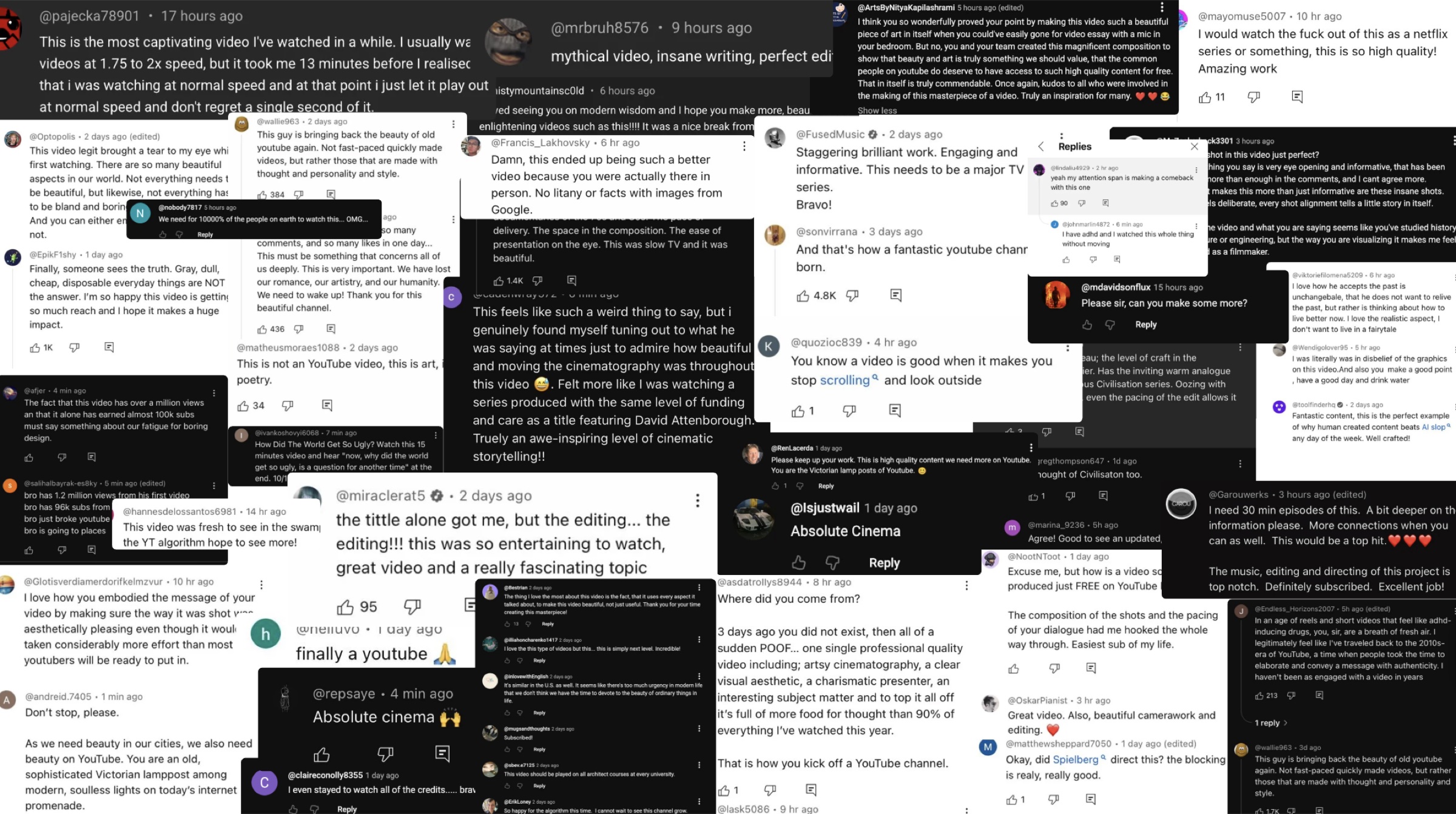
A selection of comments left under the pilot.

The Modern World is a cinematic exploration of what humankind has built and designed in the past.
But the point isn't just to learn history; the point is to understand the present day through what previous eras left behind.
So the show isn't really "about" the past; it's about seeing the twenty-first century more clearly… and figuring out how to improve it.
That's why it's called The Modern World.
The series is hosted by Sheehan Quirke, who created one of the fastest growing non-celebrity Twitter accounts of all time.
He amassed 1.6 million followers on X in a short space of time with erudite but accessible takes on art, architecture, poetry, and history. He has 75,000 newsletter subscribers, and just published an audio series with Audible and a book with Penguin Random House.
There are six episodes in the first season of The Modern World. Each investigates the spirit of a past era.
We'll film across five European countries (Italy, UK, France, Germany, Belgium), and introduce the USA in episodes five and six (via New York City).
"Look around you, wherever you are, right now. How many objects can you see that are unique? How many things can you see that are the only one like that in the world?"
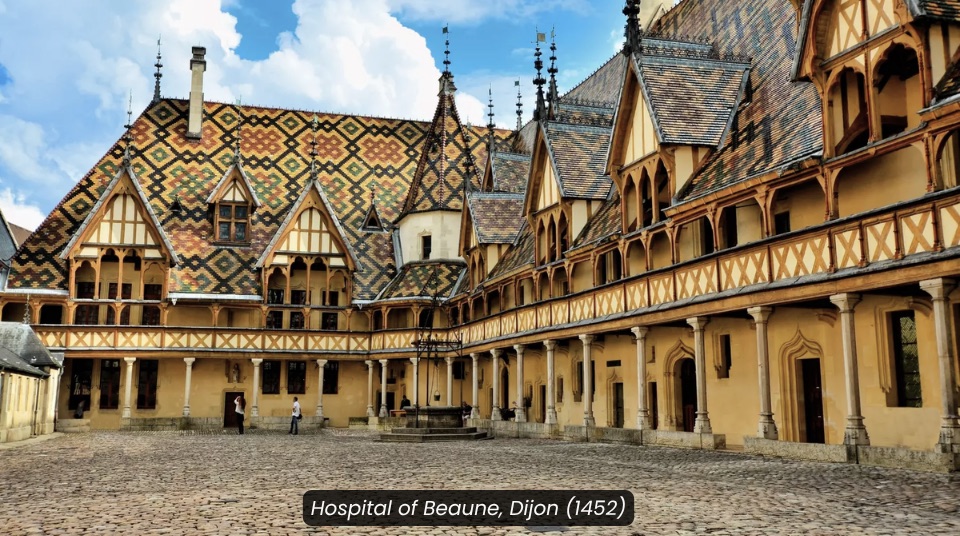
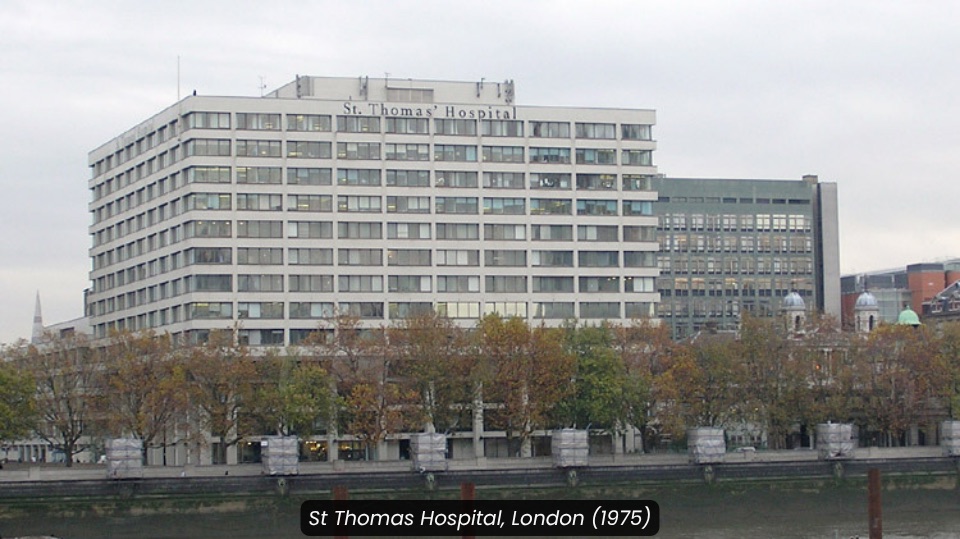
The Middle Ages are usually presented as a dark and cruel time, but their surviving architecture tells a different story. Just compare the colourful Hospital of Beaune to a typical modern hospital: where did all the charm and personality go? That's where this episode begins.
But if we want to understand the Middle Ages then we need to go deeper than gargoyles and stained-glass windows. So we travel to northern England, where we find a 600 year old chair that depicts a monkey playing a dog as bagpipes… inside a church. Why was this allowed?
Medieval craftsmen put their personalities into everything they created; they lived in a handmade world. It's only by looking at all these unusual, totally unique Medieval objects, whether fantastical door-hinges or twisted chimneys, that you begin to realise how many things in our modern world are standardised and mass-produced.
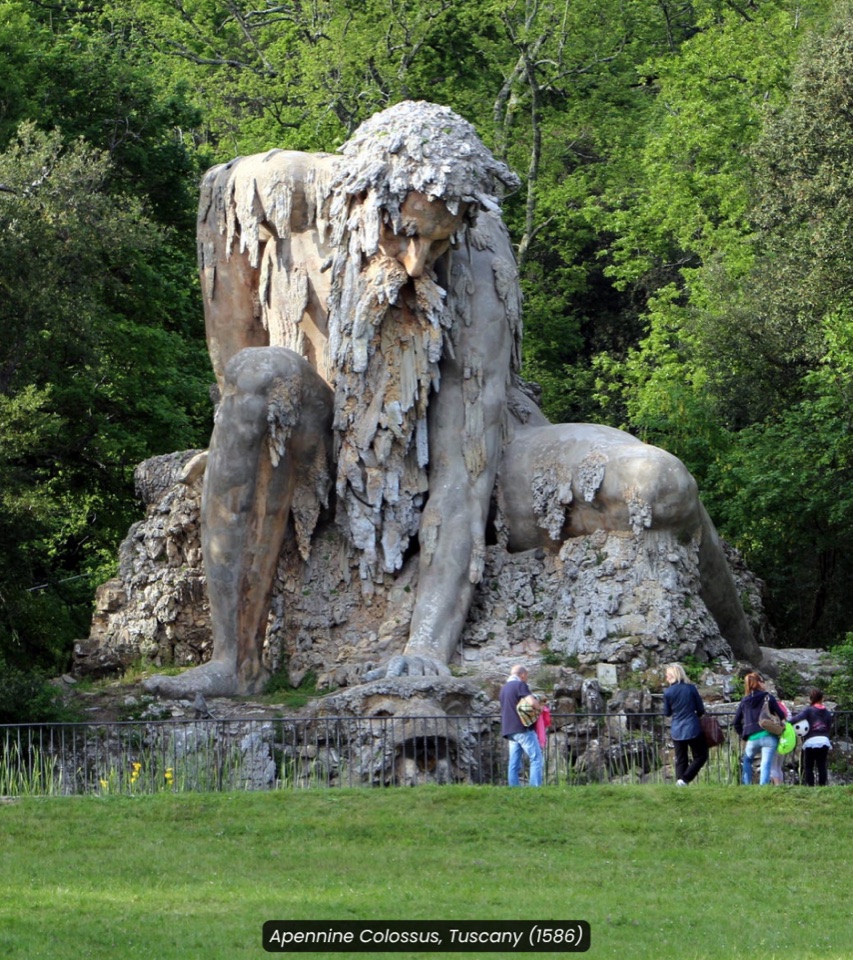
"The future will be better than the present; the present is better than the past. This is a radical idea. It didn't exist for most of history. And it began in the Renaissance."
What if modernity actually started 500 years ago? The biggest thing we learn from exploring Italy is that our belief in progress didn't always exist, it had to be invented.
And so we rightly think of the Renaissance as an era of progress. But the strange thing is that they took all their ideas from the distant past. When they started building cities on grids, for example, nobody had done that since the Romans, over 1,000 years before.
So what the Renaissance teaches us is that the past can offer solutions to modern problems. The rise of harsh white LED lights in offices and homes, the prevalence of urban design that makes it harder to form communities, our rising tide of anxiety, could these things be solved by looking to history for ideas?
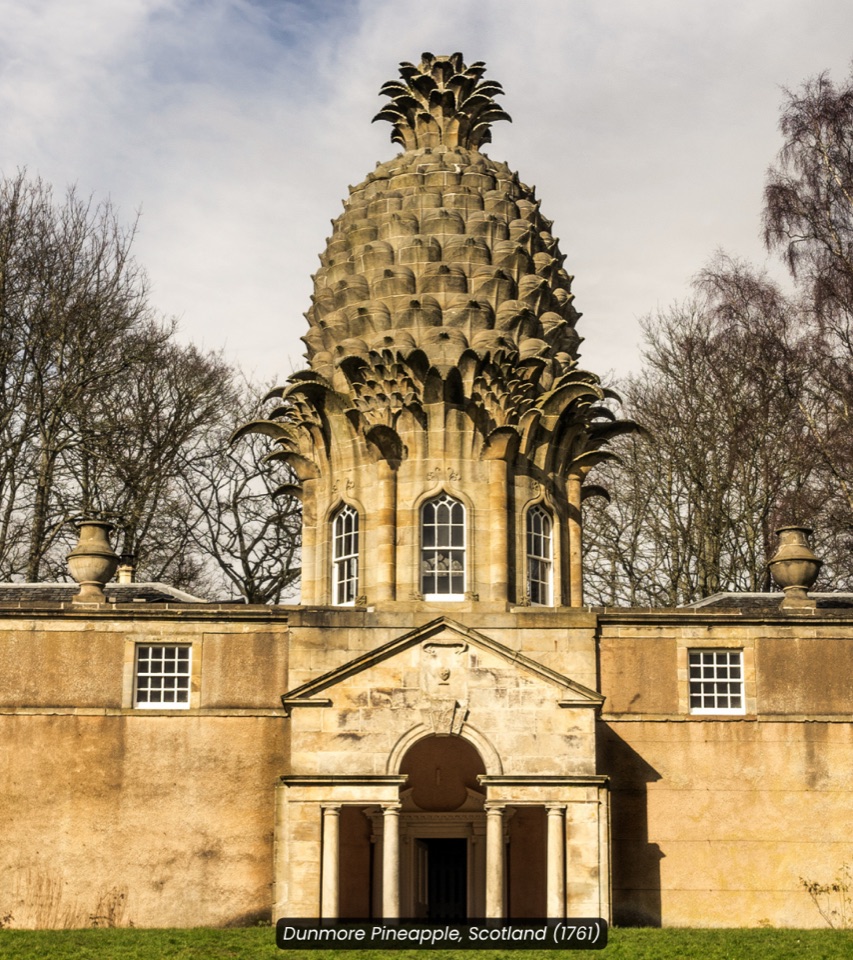
"They were rich, so they spent their money on appearances, maybe too much. We're also rich, but we care less about appearances, maybe not enough."
The episode begins in Scotland, where there's an 18th century house shaped like a pineapple. Why? Because, back then, pineapples were a craze… kind of like Labubus are now. People in the past were just as obsessed with trends as we are.
With that in mind, we travel to Germany to visit its famously ornate Baroque buildings. Did they actually like all the glitz and gold, or was it just about impressing other people? To understand the past we've got to be able to criticise it.
But it wasn't all pomp; they also revered education. Their schools and libraries, which we'll visit in Oxford and Edinburgh, were designed like palaces. How do we design modern schools? They're just a bit… boring. We tell students to be creative, but we put them in places that say the opposite.
How many of our current problems might be solved by giving more care to the buildings our young people spend most of their time in?
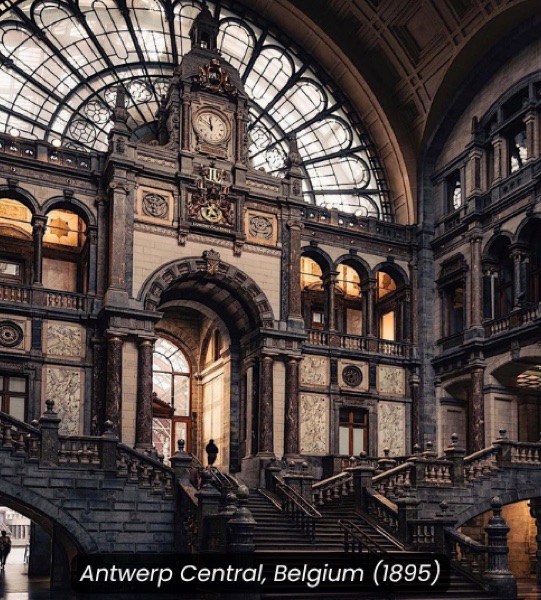
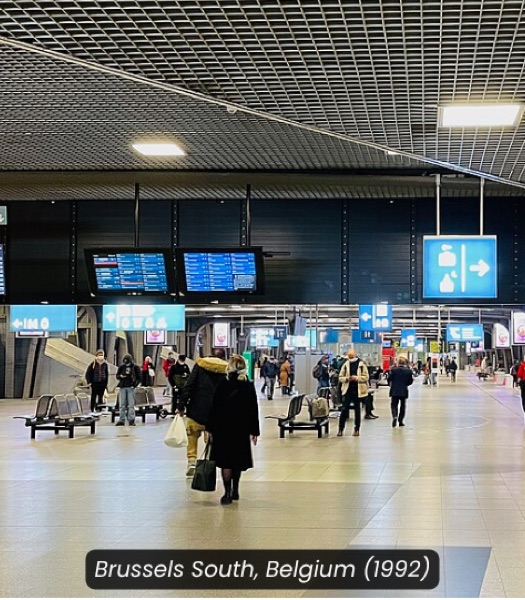
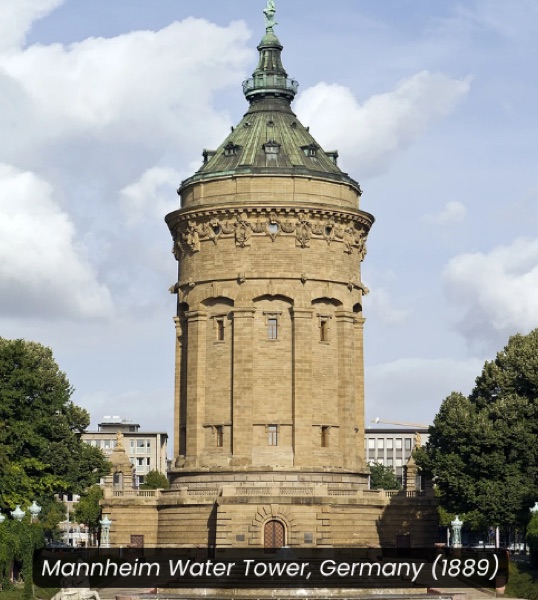
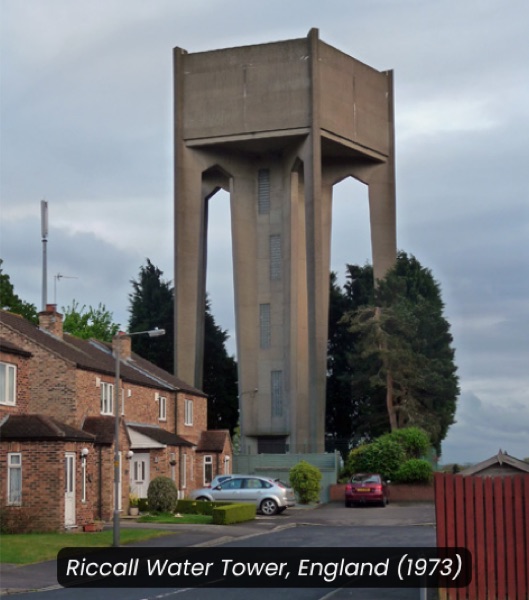
"Why shouldn't people who work in factories also have a beautiful place of work?"
We open in a modern train station, then compare it to a 19th century train station: why is the old one so much more beautiful? This begins our journey into an era when progress and tradition weren't seen as opposites, which is how we see them today.
During the 19th century people were fascinated by new inventions, but they were also obsessed with bringing back old styles of architecture. For example, one place we'll visit is a cutting-edge factory that was the largest in the world when it opened in 1840… and was designed to look like an Egyptian temple.
But the fundamental lesson we take from the 19th century, as we explore everything from their drainpipes (shaped like dragons) to their pubs (designed like monasteries), is that any object or building, even functional things like water towers, can also be charming, interesting, and beautiful.
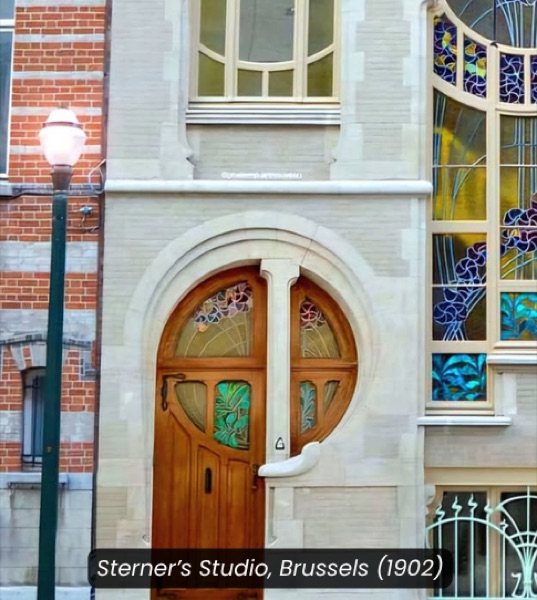
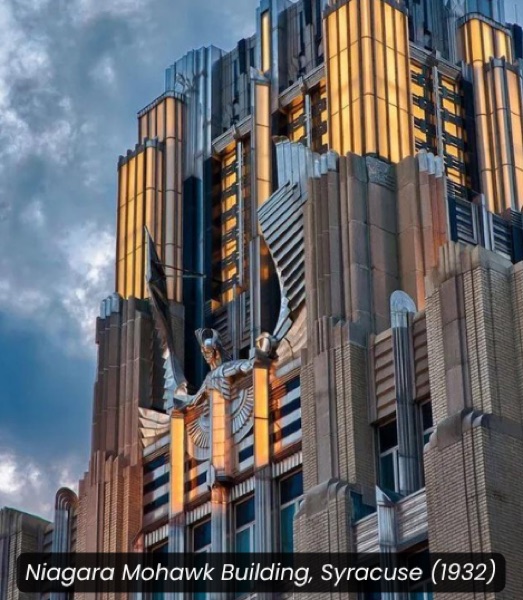
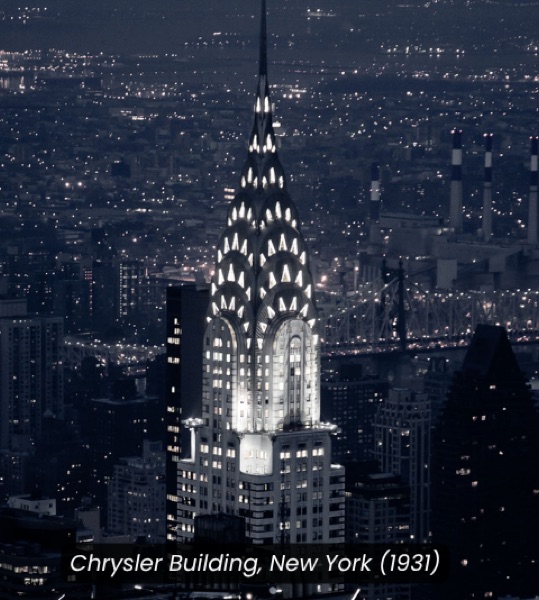
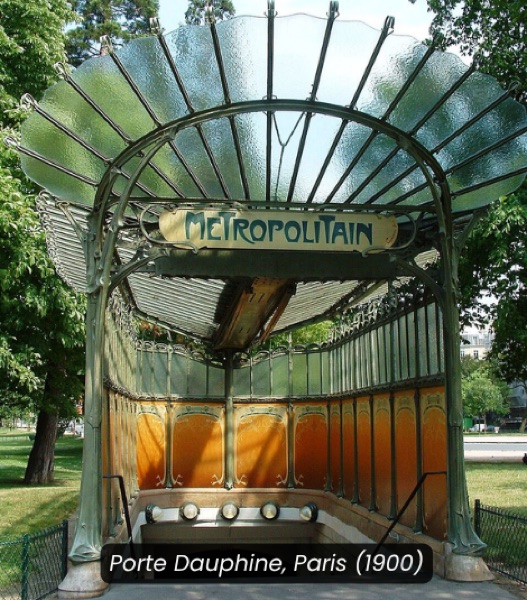
"For the first time, buildings could be designed with illumination in mind: the Architecture of the Night was born."
What should doors look like? It sounds like an easy question to answer, because all our doors look the same. But with Art Nouveau they tried to find new ways of designing everything. So we begin with an example of that: a delightful, asymmetrical door in Belgium.
Then we travel through Brussels, Paris, and London as we explore the delights of Art Nouveau, the doorbells shaped like flowers, the metro stations designed like dragonflies.
But the First World War altered that vision. What came next? Art Deco. We cross the Atlantic to arrive in New York, where a whole new kind of architecture, inspired by machines and electricity, was invented. In the 1920s they thought a future filled with technology would enrich humanity; now we've become more cynical about technology.
By looking at glittering Art Deco spires like the Chrysler Building, a fundamentally optimistic skyscraper, we can see our own hopes and fears for the future more clearly.
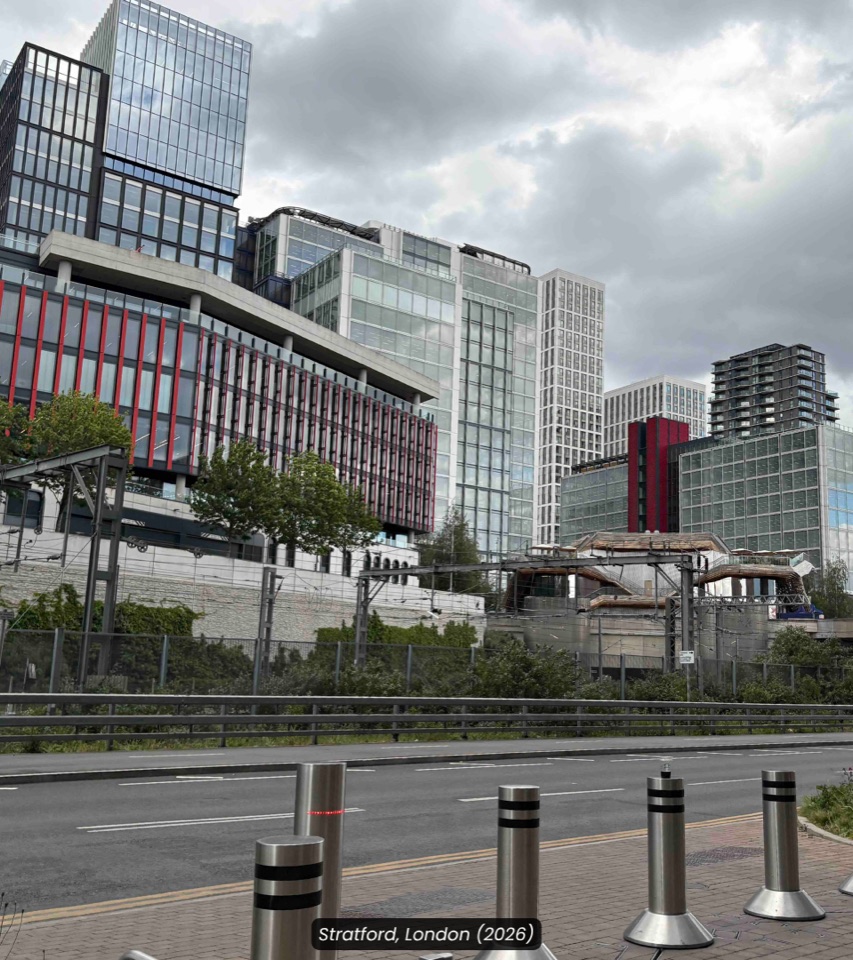
"It is not the things we say, but the things we make, that reveal the truth about us."
Why is modern architecture… like that? To understand our world of box-shaped buildings, you've got to go back in time. So we head to Germany to visit the first modernist houses in history, built 100 years ago. There, we realise that the same plain buildings we now take for granted were once futuristic and exciting.
But what was once the exception has become the rule. We're surrounded by them, which means they've become generic.
So the question people keep asking is: why don't we build with the charm and personality that we used to? In this episode we lay out the answers, explaining why all the things that surround us, from bus stops to skyscrapers, from lamp posts to highways, look the way they do.
And, in the end, we'll offer some ideas for what the future might look like.
There's a reason for the memes. History TV is drab, dusty, stale, stuffy, pompous, didactic, formulaic, and above all else, BORING.
Right now the genre is sci-fi before Star Wars, fantasy before Lord of the Rings, nature docs before Planet Earth. But the ubiquity and sheer volume of history slop and glossy celebrity tourism is part of our conviction. We're going to revitalize a dead category that's been simmering on autopilot.
There's a colossal audience starved of high-quality content about art and architecture. The success of our pilot speaks directly to this demand.
One of our core creative principles is that we capture everything in The Modern World directly in-camera.
No animations, stock footage, archival photos, or illustrations. No Ken Burns effect.
We film the real thing, on location. If we can't get permission then we change the script.
Our focus is finding locations that aren't well known but should be much more famous, rather than just going to places people are already familiar with.
There's huge demand for a series like this.
Look at where the tourists go. They visit old cities. They go to museums. They take photos with old buildings.
And yet, there isn't a definitive history/art/culture series for modern audiences. The last genuinely major hit in this category was Kenneth Clark's Civilisation (1969)… 57 years ago! This is due to a poverty of imagination, not scarcity of demand.
It's a series all three generations of a family will enjoy. A rare topic that ignites fervor while being entirely non-political as it speaks to something far deeper than "left vs. right" squabbles; our unifying, universal need for beauty, charm, and wonder.
We've limited ourselves to a handful of European locations for this first season. Europe alone could be a dozen seasons. We'd love to make a season focussed on South America, the Middle East, or the ancient world; there could be a dedicated miniseries on America or Japan, urban design or skyscrapers.
Chef's Table is a good comparison here. From 2015–2025 the franchise produced six volumes of the main series, along with six spin-offs (Chef's Table: France, Pastry, BBQ, Pizza, Noodles, Legends).
The surface area for this series is endless, timeless, global, and all encompassing. That sounds extravagant but we're talking about design, after all, which is (by definition) everything in the man-made world.
So far we've received investments from New Aesthetics Grants (Patrick Collison, CEO of Stripe) and Emergent Ventures (Tyler Cowen & George Mason University).
We are looking for further investors.

 Emergent Ventures
Enter your email to follow the journey.
Want to play a more active role?
hello@themodernworld.com